ACM/IEEE HRI 2027
The Science ofHuman–Robot Co-Adaptation
Understanding how people and robots adapt to each other over time.
Call for papersAbout
As robots learn and adapt, people change too. How can we model, measure, and design for this feedback loop?
As robots adapt, people revise their understanding, expectations, and behavior. These changes, in turn, shape both what robots learn from people and how they should respond to them. Yet much of HRI research treats one partner’s behavior as fixed, or studies interactions too brief to capture this reciprocal process.
This half-day workshop invites the HRI community to help define a science of human–robot co-adaptation: its hypotheses, theories, and methods, and how it can improve real-world robot deployments. Through talks, posters, a panel, and small-group discussions, we will revisit prior research and explore how people and robots can, do, and should adapt together.
Connecting to a broader initiative
This workshop is motivated by the new Center for Human and Robot Co-Adaptation (HRC) ↗, an NSF Science and Technology Center developing an interdisciplinary science of how humans and robots can, do, and should adapt to one another. We invite the whole HRI community to shape this science—its hypotheses, theories, and implications for real-world robot deployments that benefit society.
Topics of interest
We welcome contributions on human–robot co-adaptation, including unexpected or negative results:
- Unexpected co-adaptation. These can be considered negative results, where one expected a human’s or robot’s behavior to be fixed but co-adaptation was observed, perhaps with negative effects.
- Theory-of-mind models. Methods that relax the fixed-policy assumption, e.g., capturing the dynamics of people’s understanding, expectations, or trust of a robot.
- Information gathering behavior. Computational methods and observational studies that help understand how interactants may trade efficiency for mutual understanding or achieving shared goals.
- The feedback loop. Modeling and measuring non-stationary co-learning, distribution shift, and bidirectional causal reasoning. Contributions may focus on co-adaptive skills or reward models.
- Transparency and explainability effects on team or group performance as multiple interactants adapt.
- Real-world deployments in hospitals, campuses, stores, homes, etc. and methods for evaluating adaptive systems over time. Contributions may focus on robot lifelong learning with people.
Call for papers
We welcome short papers on the topics above from researchers and practitioners in robotics, HRI, AI, cognitive science, and the social sciences, including those deploying robots in industry. No prerequisites are required; early-career researchers and practitioners are welcome.
- Paper
- 2–4 pages · ACM format
- Presentation
- Poster and one-minute, one-slide lightning talk
- Publication
- Non-archival; accepted papers and posters shared on this website
Speakers & Panelists
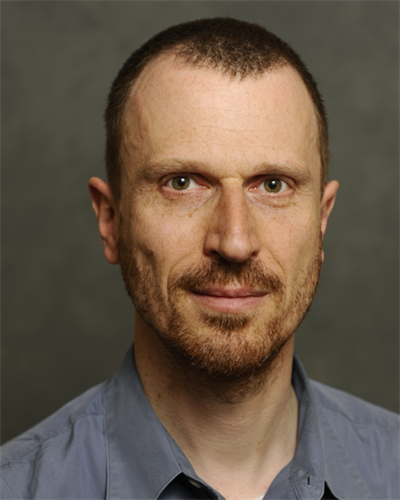

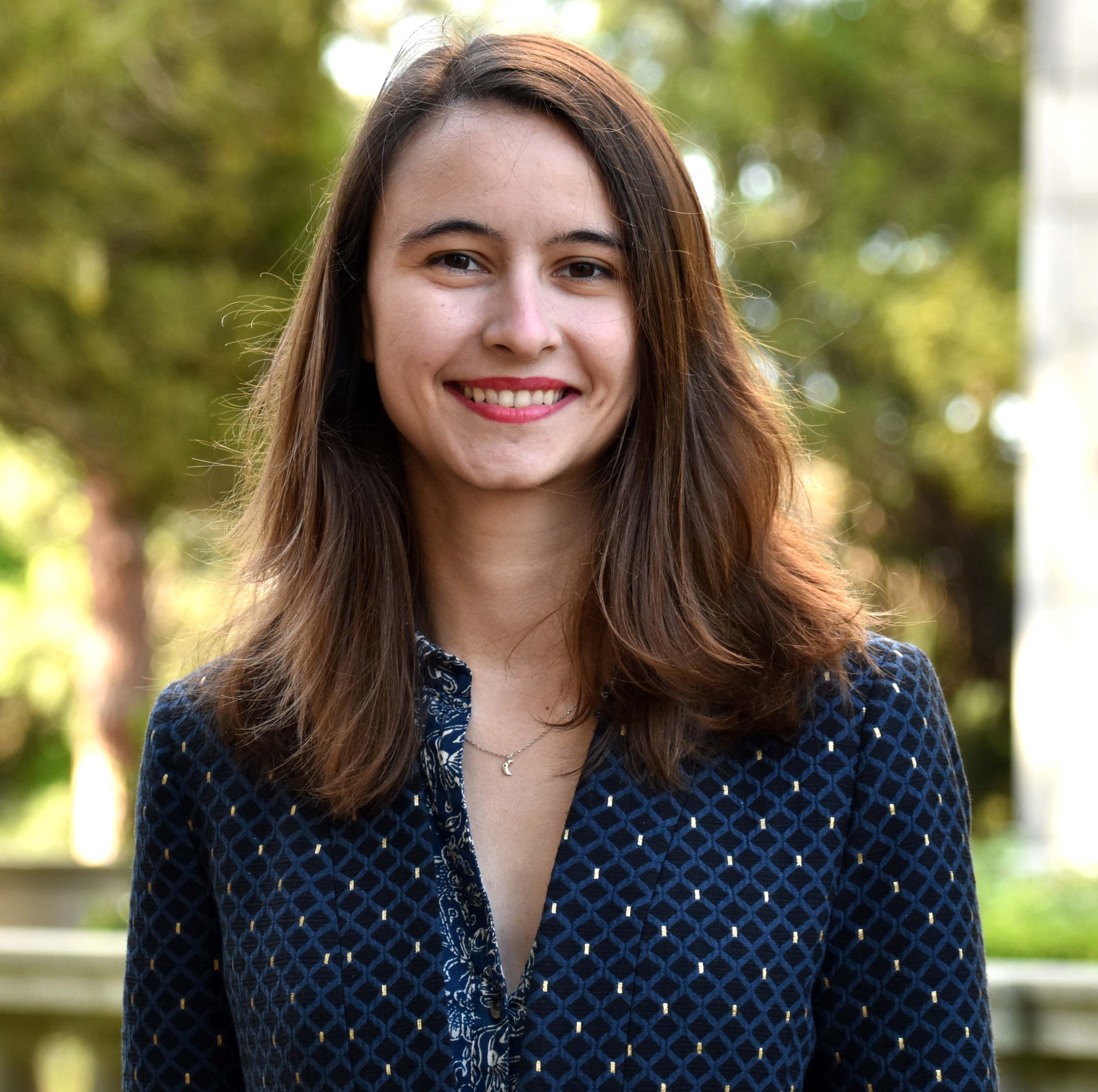
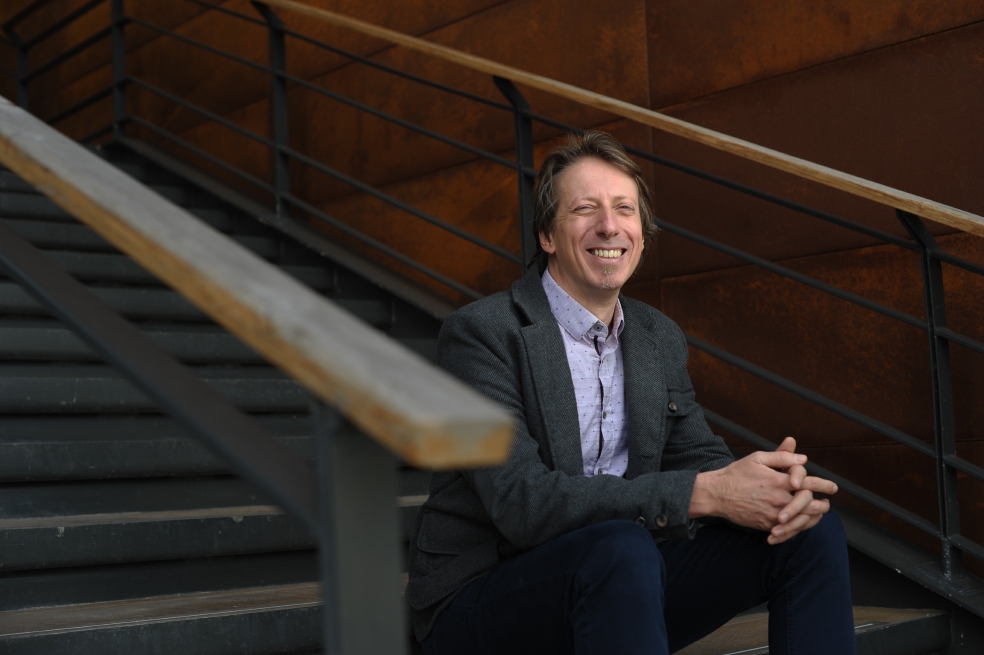

Program
Tentative · Local time
Three talks, lightning presentations, and an interactive poster session, followed by a panel and small-group discussions on hypotheses, theory, and methods. Authors are encouraged to leave posters up throughout the workshop.
| Time | Session |
|---|---|
| 09:00–09:10 | Welcome & HRC Center Introduction |
| 09:10–09:30 | Talk 1 — Matthias Scheutz ↗ |
| 09:30–09:50 | Talk 2 — Iolanda Leite ↗ |
| 09:50–10:10 | Poster lightning talks |
| 10:10–11:00 | Coffee break & interactive poster session |
| 11:00–11:20 | Talk 3 — Andreea Bobu ↗ |
| 11:20–12:15 | Panel discussion — Tony Belpaeme ↗ · Dražen Brščić ↗ · Justin Hart ↗ |
| 12:15–12:50 | Small-group discussions |
| 12:50–13:00 | Closing & next steps |
Talk titles and abstracts will be announced.
Discussion format & readings
The panel will use three seed papers to examine co-adaptation in education, public spaces, and social navigation. Discussion will focus on hypotheses, theories, study methods, and the challenges of real-world data collection.
Questions for discussion
- How can prior HRI work be adapted to study co-adaptation?
- What hypotheses do we have about these co-adaptation processes?
- How can we test these hypotheses, and what methods or data do we need?
After the panel, groups of 3–5 will choose a paper of their own and discuss how to extend it to study co-adaptation. The 35-minute session allows 5 minutes to choose a paper, 20 for discussion, and 10 to share ideas with the workshop.
The closing session will explore potential next steps, such as a community paper or a journal special edition.
Seed papers
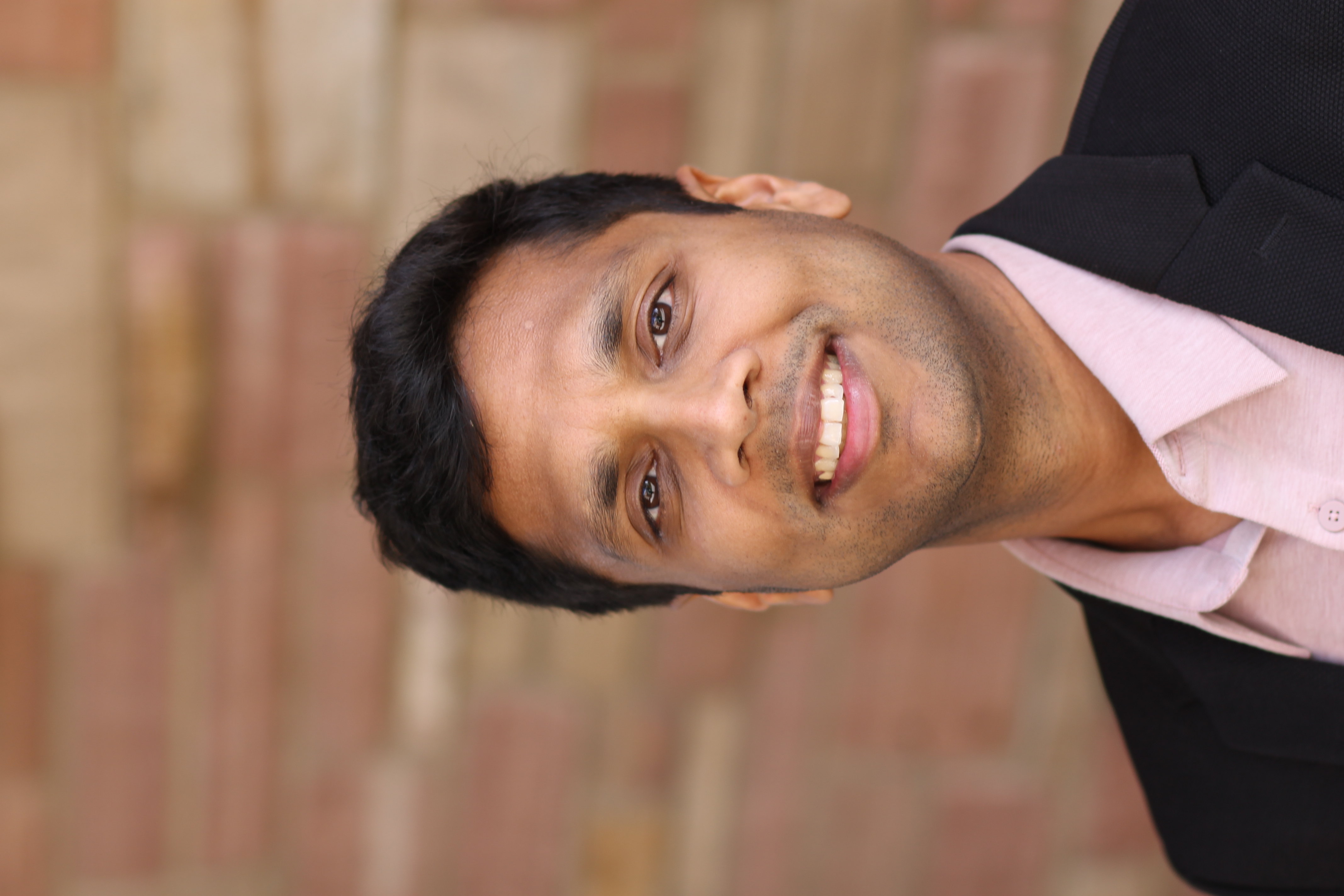
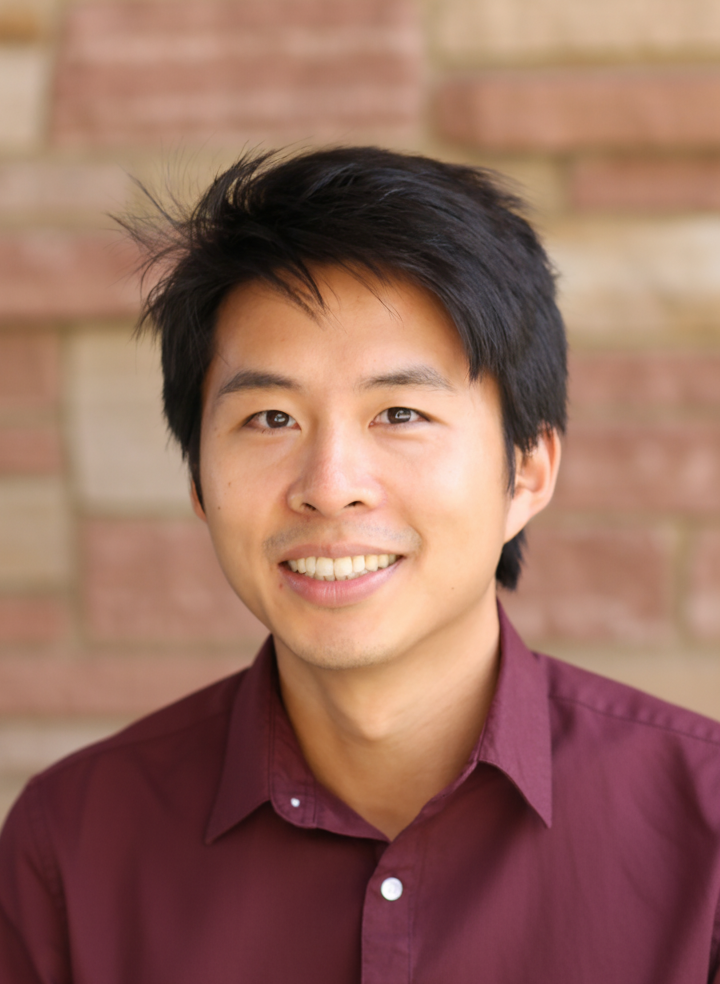
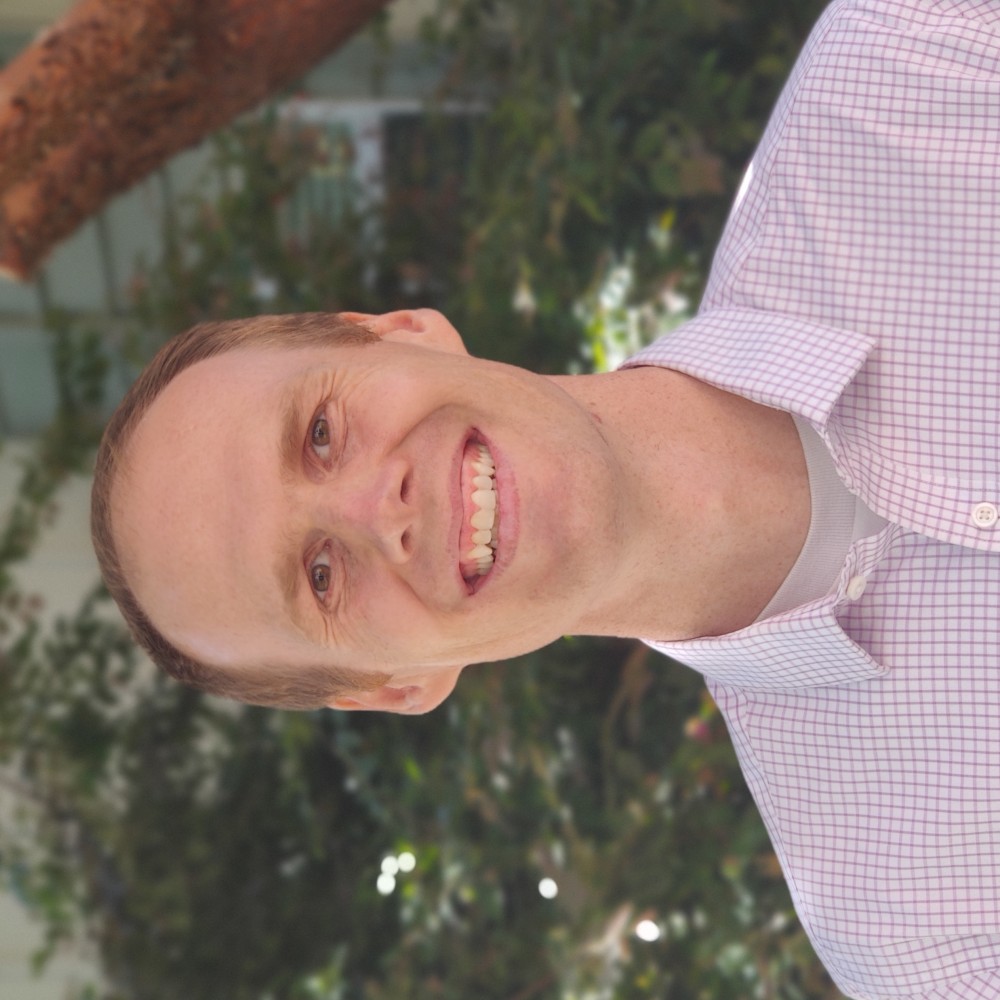
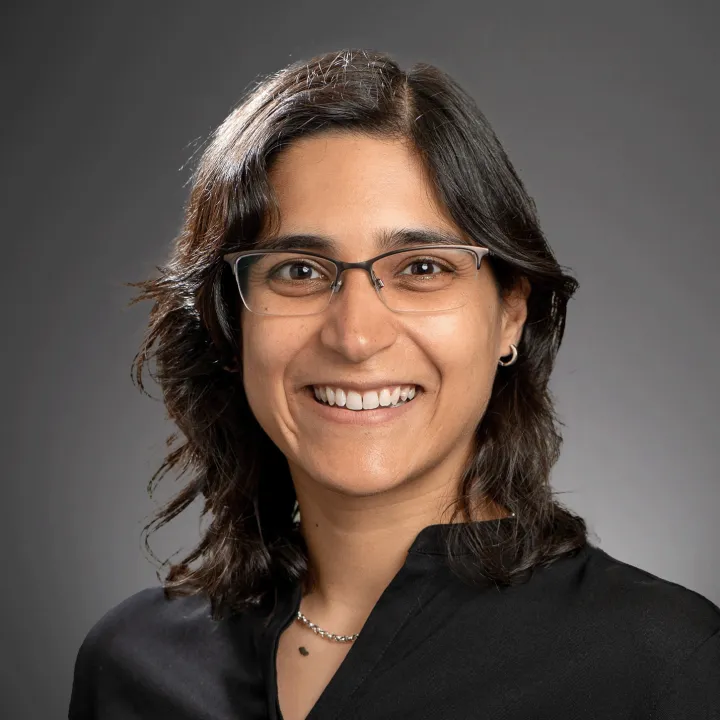
Organizers